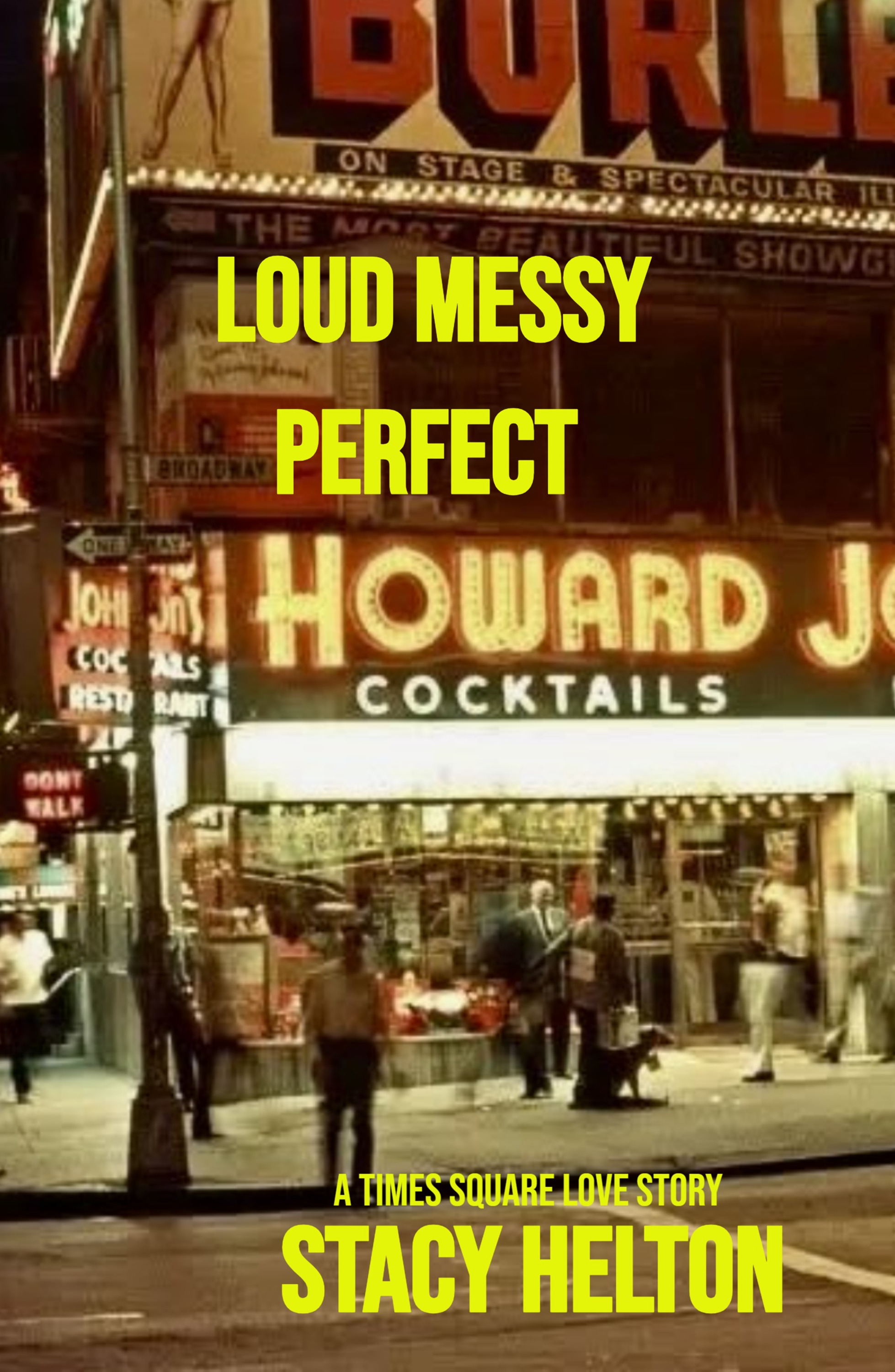
Loud Messy Perfect
In 1985, Chattanooga was built on church signs and drive-ins, where being different attracts attention. Gil stays small to survive, but a secret box of forbidden desires threatens to destroy him.
Seeking escape, he drifts along Brainerd Road, caught between hero worship for Colton, a charismatic local athlete, and David's violent blackmail. One night pushes him to abandon everything and head for the raw energy of Times Square. He becomes Mattie in a city alive with risk and possibility.
In the Deuce, surrounded by dazzling lights and dark corners, he meets John, a street-smart hustler who knows the city's dangers. Their passionate connection forces Gil to choose between safety and authenticity.
Loud Messy Perfect is a raw, emotionally intense novel about first love, reinvention, and the courage required to claim one's true self in an unforgiving world.
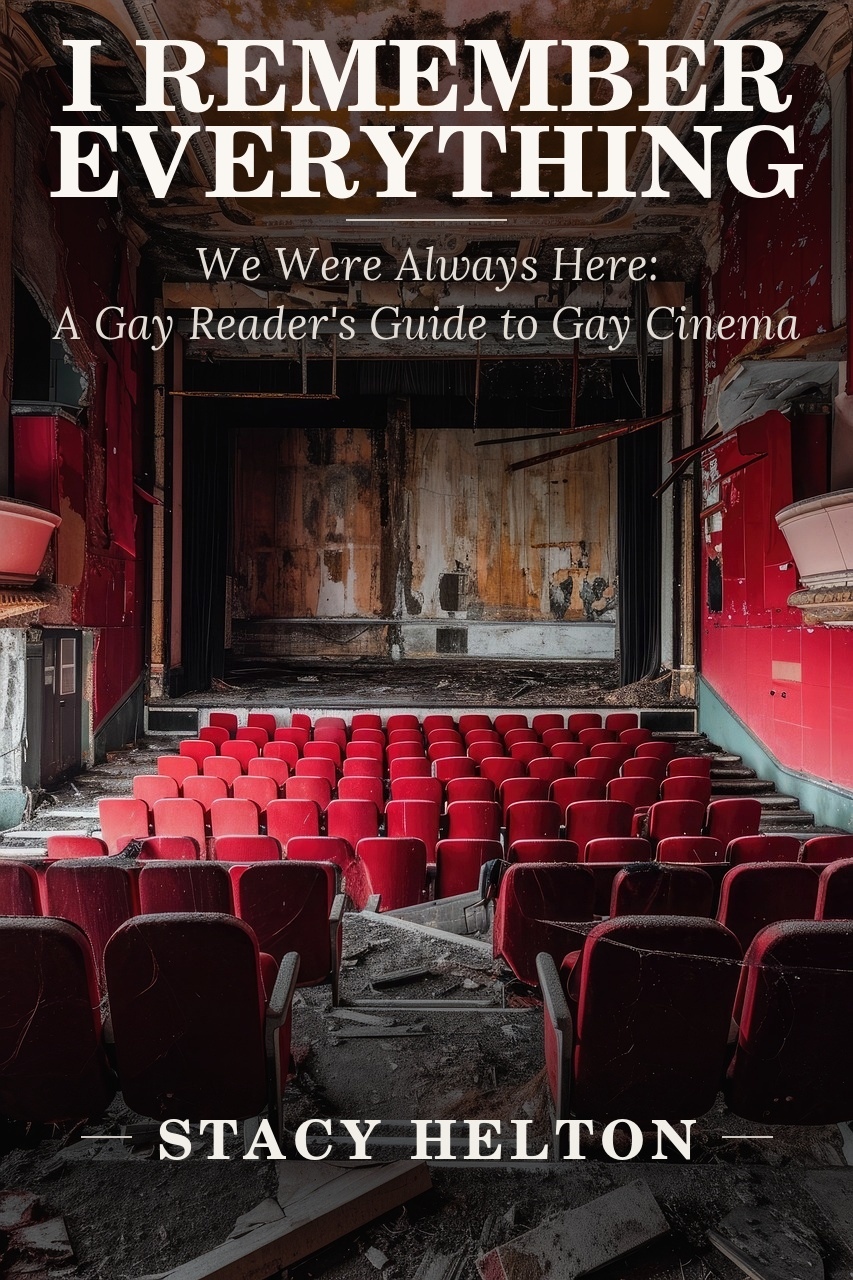
I Remember Everything
One hundred and one films. One gay reader's honest accounting of how he has been allowed, and not allowed, to see himself on screen.
I Remember Everything is a homonarrative guide to a century of gay cinema, read through the lens of queer theory rather than conventional film criticism. Rather than asking whether a film is well made, it asks what it reveals: about desire, shame, visibility, and survival, and about how a gay audience is likely to receive a scene a straight critic might read very differently, or not read at all.
The films gathered here span from Hitchcock's coded glances in Rope to Guadagnino's open tenderness in Call Me by Your Name; from the first tentative, hedged attempts to put AIDS on screen in the 1980s to the openly tender present; from Hollywood and American independent film to French, Finnish, British, and Italian cinema. Some of these films are among the author's favorites in any genre. A few are genuine dreck, kept in because even the dreck tells you something true about what a culture was, and was not, ready to say out loud.
These are personal essays more than conventional reviews — each one follows an idea wherever it leads, and many give away exactly what happens. Watch the film first. In this collection, what happens is very often the whole point.